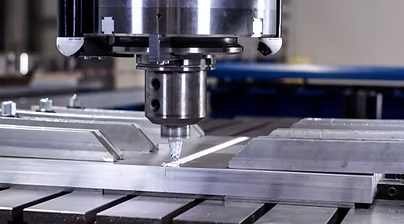
Product development is a complex process that requires precision, flexibility, and innovation. Traditionally, this process involved multiple iteration steps and physical prototypes, which could be time-consuming and costly. In recent years, however, 3D printing has established itself as a transformative technology for rapid prototyping. This fundamentally changes the way prototypes are developed and products are designed. In this article, we highlight the advantages and applications of 3D printing in product development, as well as the challenges and future prospects of this technology.
What is Rapid Prototyping?
Rapid prototyping is an innovative technique that allows models or prototypes to be produced quickly and cost-effectively. In 3D printing, a form of rapid prototyping, a three-dimensional object is built layer by layer by converting a computer file into a physical object. This method offers numerous advantages, such as the rapid production of prototypes, adaptability to individual requirements, and the ability to create complex shapes. Rapid prototyping with 3D printing is therefore an efficient and time-saving method for producing prototypes and models in product development.
The Different 3D Printing Processes
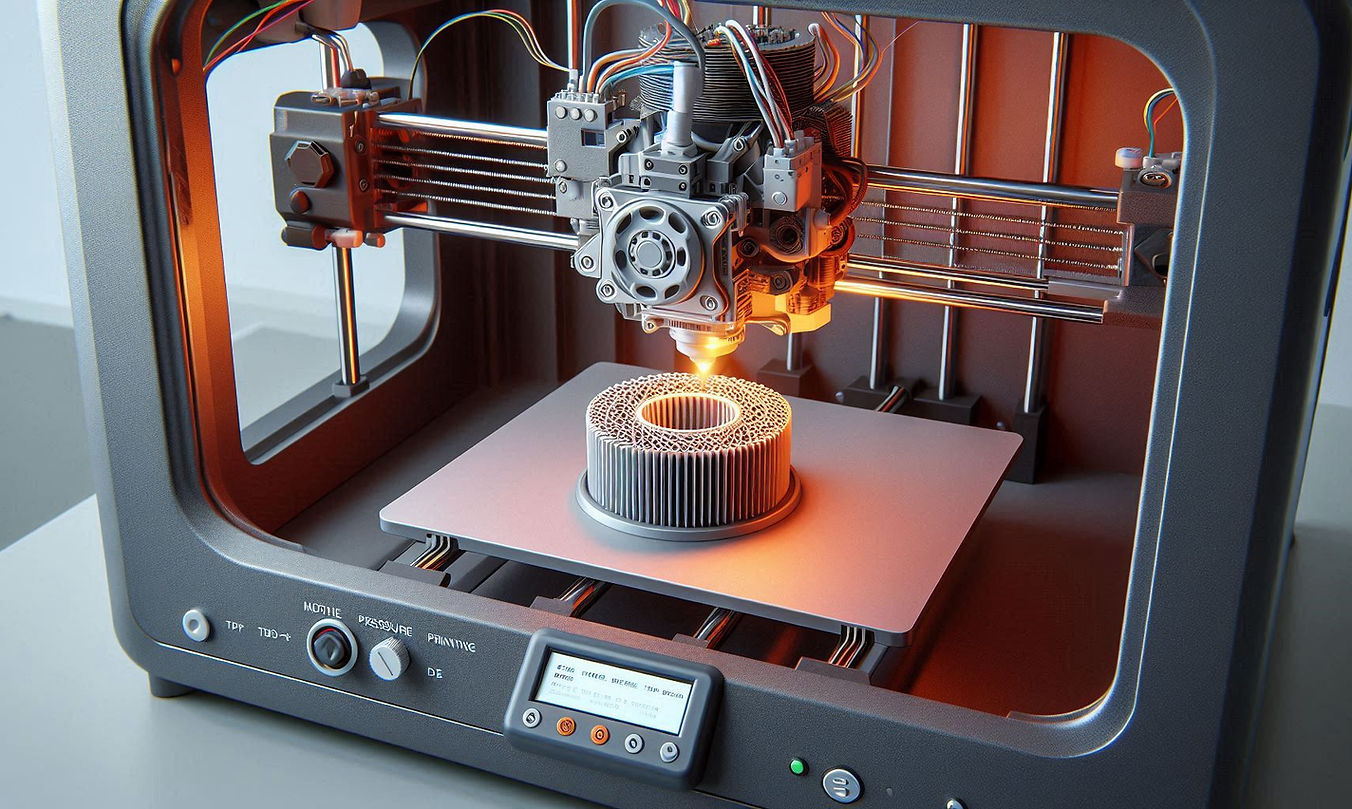
The choice of 3D printing process depends on various factors such as cost, speed, and required precision. FDM is ideal for fast and cost-effective rapid prototyping, SLA offers higher precision, while SLS is suitable for complex and durable objects, but involves higher investment costs. All processes contribute to producing prototypes efficiently and precisely in product development.
Fused Deposition Modeling (FDM)
In the FDM 3D printing process, thermoplastic is melted and applied layer by layer. This makes it relatively cost-effective compared to other methods, as the materials are widely available. The speed of the printing process can vary depending on the size and complexity of the object, but it is generally relatively fast.
The investment costs for FDM 3D printers are low compared to other 3D printing processes, as this technology is widespread and affordable printers are available on the market. This makes FDM a popular choice for businesses and hobbyists looking to enter the world of 3D printing.
Stereolithography (SLA)
In the 3D printing process using Stereolithography (SLA), a laser beam is directed onto a liquid, usually a special resin, to polymerize an object layer by layer. This process enables very precise and rapid production of three-dimensional models.
The material costs are somewhat higher, as special resins are required that are polymerized by the laser. The speed of the printing process is relatively fast, as the polymerization layering can be precisely controlled.
The investment costs for an SLA printer are medium to high, as special printers and materials are required. Nevertheless, this process is an interesting alternative for producing high-quality prototypes or small series of components.
Selective Laser Sintering (SLS)
The process of laser melting powder material to form objects allows for the production of complex and precise components. However, the costs for this process are generally higher, as special powder material and laser requirements are needed. The speed of the process is relatively fast, however, as the powder material can be melted quickly.
The investment costs for a 3D printer using this process are often high, as special printers and materials are required. Despite the high costs and demanding requirements, laser melting of powder material is an efficient method for producing complex and high-quality objects.
Software Requirements
If 3D printing is used purely for rapid prototyping, with components later manufactured using other methods, conventional design software (CAD) is employed. However, if the final components are also produced via 3D printing, software is often used that leverages the capabilities of the process and thus enables 'generative' design.
Generative Design in Digital Development
Generative design software is an innovative technology that enables the creation of complex components based on defined parameters and requirements. By inputting parameters such as build space, load, function, and material properties, the software can automatically generate various design proposals that meet these criteria. This allows engineers and designers to quickly and efficiently develop optimized components that are lightweight, stable, and functional. Utilizing generative design software enables companies to reduce costs, accelerate product development, and create innovative solutions that would often not be possible with traditional design methods.
Types of Prototypes
Visual Prototypes
Visual prototypes play a crucial role in the design process, as they enable ideas and concepts to be visualized quickly and effectively. Through visual prototypes, designers and developers can better understand and optimize a product's appearance and handling. The use of rapid prototyping as a tool for creating visual prototypes has revolutionized the design industry by enabling designers to create realistic and tangible models of their ideas. This not only leads to improved design quality but also to enhanced product usability, as potential issues can be identified and resolved early on. Overall, visual prototypes facilitate an iterative design process where designers can continuously gather feedback and improve their product.
Technical Prototypes
Thanks to rapid prototyping, companies can test technical prototypes of their components and assemblies at a very early stage of product development. By quickly and cost-effectively developing prototypes, engineers can explore various options before committing to a final version. This allows for early identification and resolution of potential issues, ultimately leading to improved functionality and efficiency of the final product.
Applications of Rapid Prototyping
3D printing has taken on a central role in various industries. Here are some key areas where it is revolutionizing product development through rapid prototyping:
Automotive Industry
In the automotive industry, 3D printed prototypes are used for manufacturing spare parts and tools. The ability to print parts directly shortens development cycles and increases production flexibility.
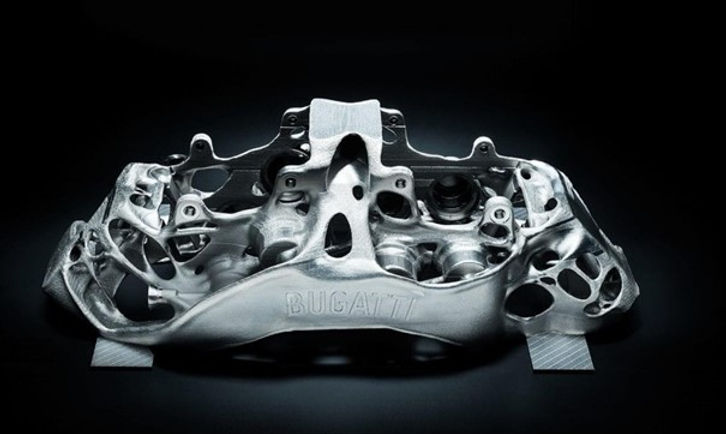
3D printing is increasingly used to produce lightweight yet stable components that can reduce the weight of aircraft and spacecraft. The aerospace industry uses this technology for the rapid and cost-effective production of components, which must meet the strictest safety and quality requirements.
Medical Applications
In medical technology, 3D printing is invaluable for producing individual prostheses, implants, and surgical models. Doctors and surgeons can create patient-specific models, thereby improving the quality of patient care.
Consumer Goods Industry
Whether it's shoes, jewelry, or electronics – the consumer goods industry benefits from 3D printed prototypes by enabling rapid design iteration and faster time-to-market for new products. 3D printing plays a particularly important role in "mass customization."
The Benefits of 3D Printing in Product Development
Integrating rapid prototyping into product development offers numerous advantages that accelerate the development process and make it more cost-effective. Here are the key aspects:
Faster Prototype Creation (Rapid Prototyping): With 3D printing, prototypes can be created in a matter of hours or days instead of weeks. Companies can directly translate new ideas into physical models, test them, and quickly incorporate changes.
Feasibility study (POC): A Proof of Concept can play a crucial role in demonstrating the feasibility and functionality of a new product or technology. By creating a prototype using rapid prototyping, potential problems can be identified and resolved early, before expensive production processes are implemented. This allows companies to quickly validate their ideas and bring innovations to market.
Cost savings through reduced material and manufacturing costs: Traditional manufacturing techniques like injection molding involve high tooling costs. 3D printing, however, requires no special tools, as models are printed directly from CAD (Computer Aided Design) data. This significantly reduces both material and production costs.
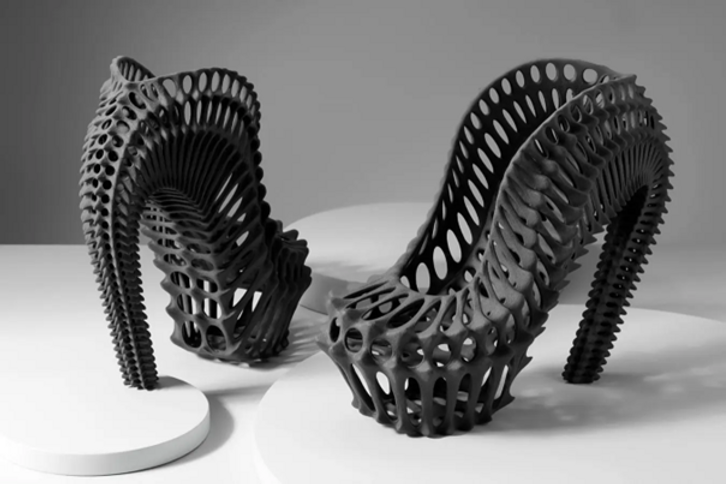
Design flexibility: 3D printers can produce highly complex geometric shapes that would be difficult to achieve with conventional manufacturing methods. Designers can experiment with complex structures and forms, creating innovations that were previously unimaginable.
Customization and small-batch production: 3D printing enables flexible production that can be adapted to specific customer requirements. This is particularly advantageous for companies that want to produce customized products or small batches without incurring high upfront costs.
Challenges and limitations of 3D printing
Although rapid prototyping offers numerous advantages, there are also challenges , which companies must consider when integrating rapid prototyping.
Material limitations: While the range of materials that can be used in 3D printing is extensive, it is often still limited compared to conventional manufacturing methods. Material costs can also be high, especially for specialized plastics or metals.
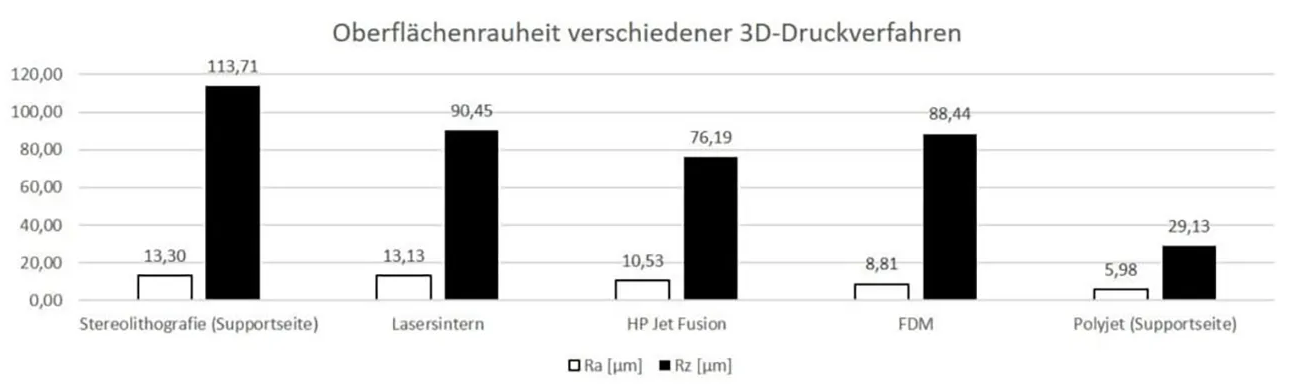
Surface quality and accuracy: The surface quality of 3D-printed parts is not always ideal, and post-processing steps such as sanding or polishing may be required. Furthermore, tolerances can vary with complex designs, which can be problematic for high-precision applications.
Long-term Material Properties: Many 3D-printed materials still lack established long-term test data, making it difficult to assess their durability and reliability. This can be a particular obstacle in safety-critical applications.
Future Prospects and Trends in 3D Printing for Product Development
Rapid prototyping is evolving rapidly, offering an increasing number of possibilities. Here are some forward-looking developments:
Multi-material Printing: In the future, it will be possible to combine multiple materials in a single printing process. This opens up new potential for products that combine different properties in a single component, such as flexible and rigid zones or conductivity and insulation.
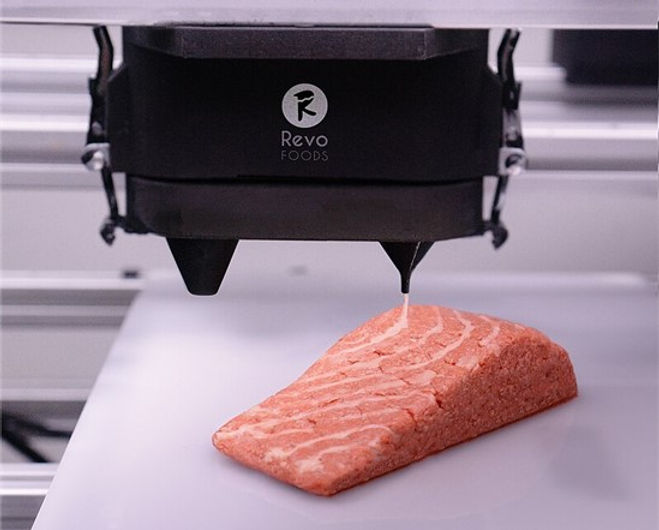
Bio- and Food Printing: In medical technology, research is already underway on organic materials for 3D printing to produce tissues or even organs. 3D printing is also being explored in the food industry to create customized food products.
Sustainable 3D Printing: With a focus on sustainability, environmentally friendly materials and recyclable printing techniques are increasingly being developed. This could reduce the environmental impact of production and promote a circular economy. Availability of 3D Printers in Companies: With decreasing costs and increasingly user-friendly operation, 3D printers are expected to be integrated more frequently directly into companies in the future. This could further shorten development times and allow innovative ideas to be implemented directly within the company.
Conclusion
3D printing is revolutionizing product development through speed, cost-efficiency, and design flexibility. From the automotive industry to medicine and consumer goods, this technology is opening up entirely new possibilities. While challenges, particularly in materials and precision, still exist, they are being overcome through continuous innovation. With growing possibilities and decreasing costs, 3D printing will play an even more crucial role in product development in the future, fundamentally changing how we design and manufacture products.
Explore the topic further on the relevant section pages:


.avif)