Introduction to Machine Retrofitting
Machine retrofitting is a crucial topic in today's industry. It refers to the modernization and updating of existing equipment to make it more efficient and productive. This process can help extend the lifespan of machinery and improve its performance. By utilizing new technologies and innovative solutions, companies can remain competitive and meet market demands. It is essential for businesses to recognize and consider the benefits of retrofitting to optimize their production processes.
What Does Retrofit Mean?
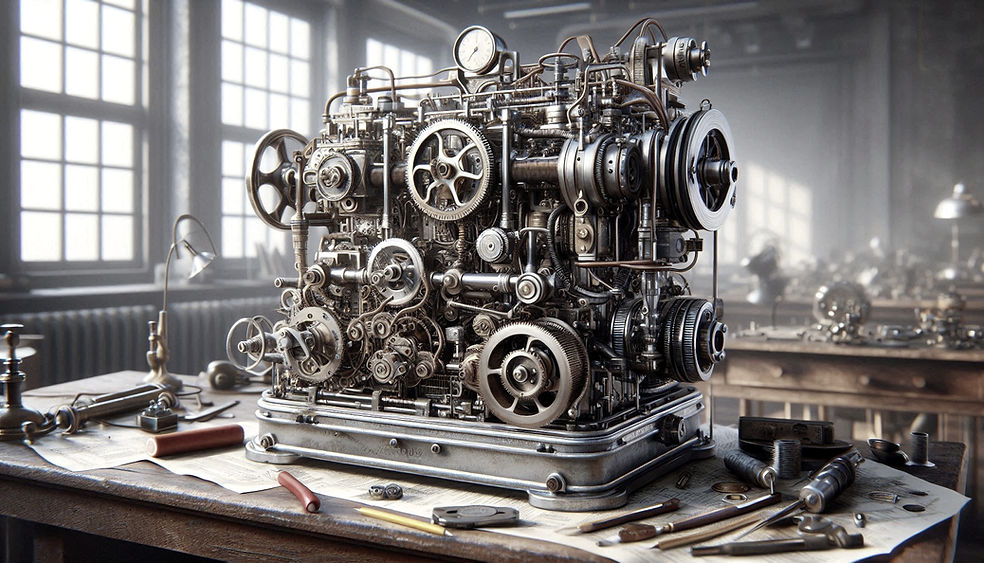
Retrofitting means upgrading or modernizing existing systems or equipment to bring them up to the latest technological standards. This can offer various benefits, such as improved energy efficiency, higher performance, or an extended lifespan. Companies often opt for retrofitting to save costs and optimize their operational processes. It is a sustainable solution to connect older systems with new technologies and thus increase efficiency.
Budget Planning for the Retrofit Project
When planning the budget for a retrofit project, it is crucial to carefully consider all cost factors. It is advisable to create a detailed list of all necessary materials and labor hours to avoid unexpected expenses. Furthermore, regular budget reviews should be conducted to ensure the project stays within its financial limits. With clear budget planning, potential financial risks can be minimized, and the success of the retrofit project can be ensured.
Why is Machine Retrofitting Important?
Retrofitting a machine is important for improving the efficiency and performance of production facilities. By modernizing old machinery, companies can increase their competitiveness and reduce costs. With new technologies and automation solutions, machines can operate faster and more precisely, leading to higher production and quality. Through retrofitting, companies can also implement more environmentally friendly solutions to reduce their ecological footprint. Overall, machine retrofitting is a crucial step to keep pace with constantly changing market demands and ensure long-term success.
Benefits of Retrofitting for Businesses
- Cost savings by utilizing existing equipment and machinery instead of purchasing new ones
- Improved energy efficiency, thereby reducing operating costs
- Reduced downtime through the replacement of outdated components
- Increased productivity through the modernization and automation of production processes
- Extended lifespan of machinery and equipment through regular maintenance and upgrades
- Compliance with environmental standards and regulations through the integration of new technologies
- Increased competitiveness by adapting to current market demands and trends
- Flexibility in adapting production lines to changing product requirements
Preparation for the Retrofit
Analysis of the Existing Machine System
When analyzing the existing machine system, it is crucial to carefully consider all components. From the machinery to the software, all aspects must be thoroughly examined to uncover potential weaknesses and identify areas for improvement. Only through a detailed analysis can efficient solutions be developed to optimize the system's productivity and reliability. It is important to consider the company's requirements and market changes to ensure that the machine system meets future demands.
Identification of Modernization Needs
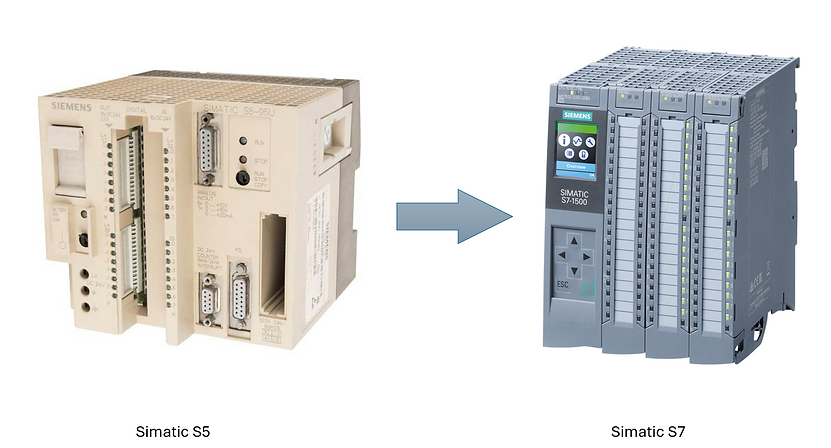
Identifying the need for modernization within a company is crucial for remaining competitive and keeping pace with constantly changing market conditions. It is important to consider both technological and organizational aspects. A thorough analysis of existing processes and systems can identify weaknesses and uncover potential for improvement. This is the only way to ensure that the company remains successful in the long term and meets the demands of digitalization. A common reason for modernization is also the fact that spare parts are no longer available for older control systems like Siemens S5 or Simatic S5. Therefore, even a small retrofit of the Siemens control system can be identified as a project goal.
Selection of the Right Retrofit Solution
When selecting the right retrofit solution, it is important to thoroughly analyze the individual requirements and needs of the company. A tailored concept that optimally complements and modernizes existing systems can lead to a long-term increase in efficiency and productivity. Aspects such as budget, compatibility, and functionality should be carefully weighed to find the best possible solution.
Criteria for Selecting a Suitable Retrofit System
Compatibility: The retrofit system should be compatible with the company's existing systems and processes to ensure seamless integration.
Functionality: The retrofit system should offer the desired functions and performance characteristics to meet the company's requirements.
Scalability: The retrofit system should be scalable to easily accommodate future expansions and adjustments.
User-friendliness: The retrofit system should be easy to use and intuitively designed to ensure quick adoption by employees.
Costs: The costs for the acquisition, implementation, and maintenance of the retrofit system should be clear and transparent and within the company's budget.
Reliability: The retrofit system should be reliable and stable to avoid downtime and production interruptions.
Support and Service: The manufacturer of the retrofit system should offer reliable support and good customer service to quickly and effectively assist with questions or problems.
Security: The retrofit system should comply with high security standards to protect sensitive company data and processes.
Efficiency: The retrofit system should increase the efficiency of business processes and enable faster and more precise operations
Future-proofing: The retrofit system should be state-of-the-art and provide long-term value for the company
Planning and Implementation of the Retrofit Project
Selecting the Right Retrofit Partner
Experience and Expertise: The partner should have many years of experience in the retrofit field and possess the necessary know-how regarding the specific requirements of the project
References and Successfully Completed Projects: It is important that the partner has already successfully completed similar projects and can provide positive references
Certifications and Qualifications: The partner should possess relevant certifications and qualifications that demonstrate their competence and professionalism
Technological Competence: The partner should be familiar with the latest technologies and innovations in the retrofit sector and be able to develop customized solutions
Reliability and Punctuality: The partner should prove to be a reliable and punctual partner who completes the project on schedule and within the agreed budget
Transparent Communication: Clear and open communication is crucial for the success of the project. The partner should be able to convey all relevant information transparently and regularly report on project progress
Costs and Budgeting: The partner should offer transparent and fair pricing and be able to implement the project within the agreed budget
Customer Orientation: The partner should address the individual needs and requirements of the client and offer customer-centric solutions
Service and Support: A good partner also provides reliable service and support after project completion to resolve any issues quickly and efficiently
Implementation of New Systems and Components
When implementing new systems and components, it is essential that all processes run smoothly and efficiently. A detailed project plan is of great importance here to provide a clear roadmap and to identify and resolve potential problems early on. Furthermore, close collaboration between the various teams and departments is indispensable to ensure that all stakeholders are on the same page and working together towards a common goal. Through careful planning and coordination, the implementation of new systems and components can be carried out successfully and without major complications.
Testing and Validation of Retrofit Success
When conducting tests and validations of retrofit success, it is crucial to consider all relevant factors. Precise analyses and measurements can identify and rectify potential weaknesses, ensuring the retrofit project is successfully implemented. A thorough testing process is essential to guarantee system performance and efficiency and to minimize potential risks. Only through careful validation can the desired success of the retrofit be assured.
Staff training for operating the retrofitted system
To ensure staff can effectively use the retrofitted system, thorough training is essential. Training familiarizes employees with new functions and processes to boost efficiency and productivity. It is important that personnel are able to operate the system correctly and resolve any issues. Targeted training ensures seamless integration of the system into daily work and promotes employee acceptance.
Conclusion
Summary of the key steps in machine retrofitting
Machine retrofitting is a complex process that requires careful planning and execution. The key steps include analyzing the machine's current state, defining the retrofit objectives, selecting suitable components and technologies, carrying out the actual conversion measures, and finally, testing and commissioning the modernized machine. Thorough project management and close collaboration between different departments are crucial for the success of the retrofit project.
Is a retrofit always possible?
Provided the machine's mechanics meet the requirements, modernizing the system is usually possible and often makes sense. A common application is the switch from Siemens S5 to S7.
Outlook on future developments in machine retrofitting:
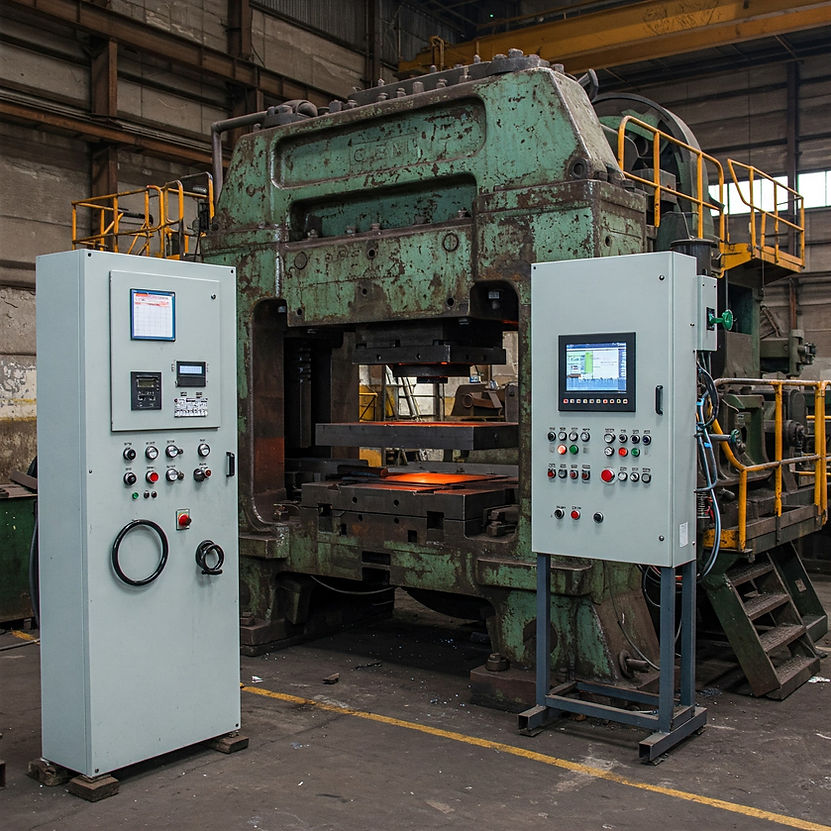
The future of machine retrofitting promises exciting developments with innovative technologies such as artificial intelligence, the Internet of Things, and augmented reality. These advancements make it possible to equip existing machines with new functions and efficiency improvements without having to purchase entirely new machines. Retrofit solutions enable companies to save costs and optimize their production processes. An outlook on the future shows that the field of machine retrofitting will continue to grow and evolve steadily to meet the increasing demands of industry.
Explore the topic further on the relevant section pages:


_edited.avif)
.avif)
